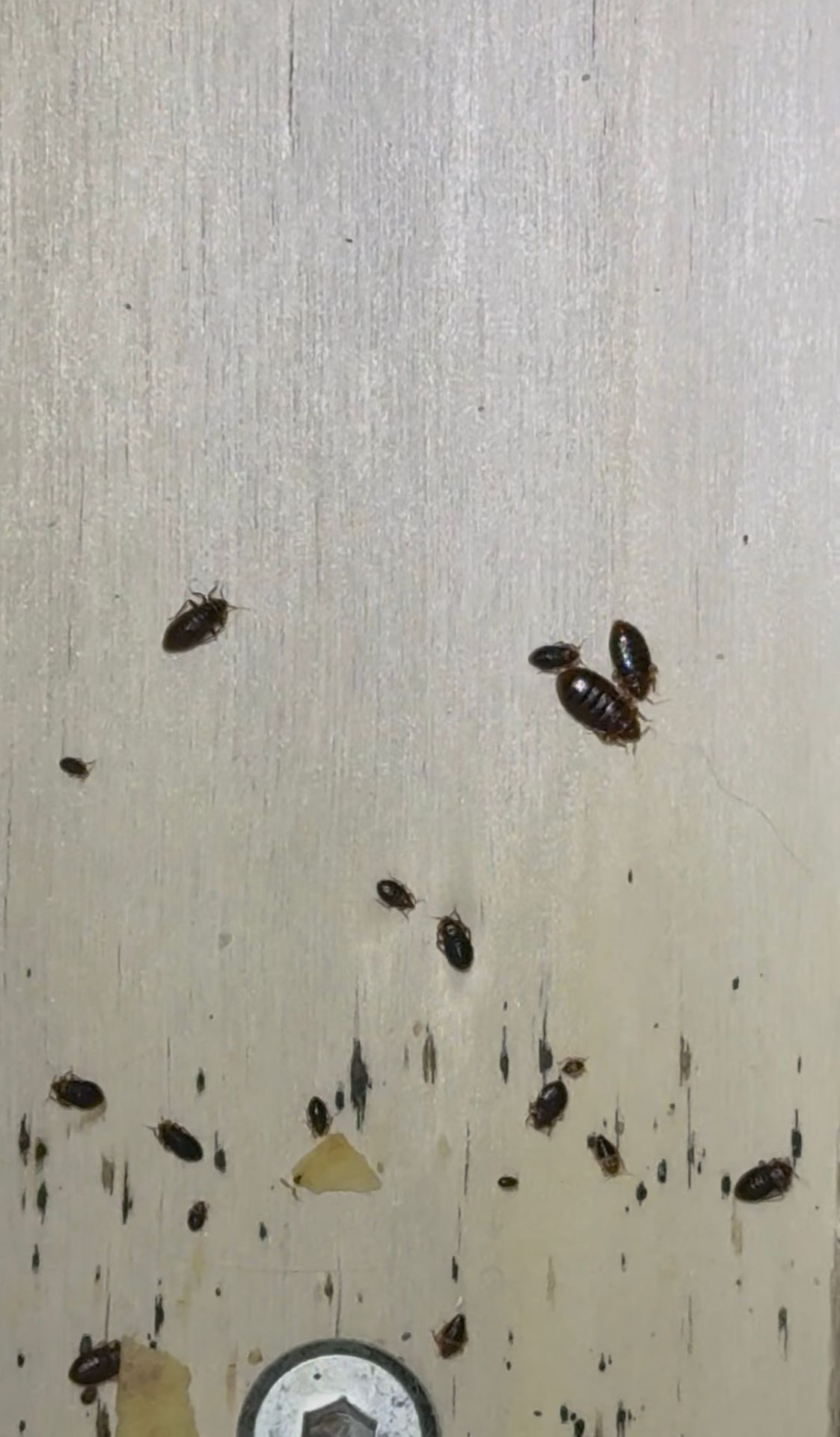
Southgate is one of North London’s most sought-after residential hubs, known for its iconic Grade II listed tube station and the sprawling greenery of Grovelands Park. However, the very architectural charm that attracts families to the N14 postcode—specifically the abundance of 1930s mock-Tudor semis and Edwardian terraces—provides a unique challenge when it comes to pest control.
A recent callout we attended in Southgate perfectly illustrated how the structural nuances of Enfield’s housing stock can facilitate stubborn infestations, and why a professional bed bug exterminator in Southgate is often required to move beyond traditional chemical methods.
The Challenge: A Persistent Infestation near Southgate Tube Station
We were contacted by a family living in a classic inter-war semi-detached home just a short walk from Southgate Station. As regular commuters on the Piccadilly Line, the residents were initially unsure how the infestation started, though bed bugs are frequent hitchhikers in high-traffic urban environments.
The homeowners had previously attempted to resolve the issue using over-the-counter sprays and a standard chemical treatment from a local firm. While these methods provided temporary relief, the biting resumed within weeks. This is a common scenario in Southgate’s older properties. The deep-set skirtings, original timber flooring, and ornate cornice work typical of N14 homes provide deep harbourages that liquid insecticides simply cannot reach.
Why Traditional Methods Fail in N14’s Inter-War Property Mix
In the grand Edwardian terraces near Cannon Hill or the mock-Tudor homes around The Meadway, bed bugs take advantage of the structural gaps created by decades of natural house movement. When a chemical spray is applied, it only affects the insects on the surface. Those tucked behind insulation, beneath original floorboards, or deep within the wall voids remains untouched.
Furthermore, bed bug populations in North London have shown increasing resistance to common pyrethroid insecticides. In this Southgate case, the bugs had retreated into the loft conversion and behind the built-in wardrobes of the master suite, areas where chemicals are least effective. To achieve total eradication, a different approach was required: same-day bed bug removal N14 using controlled thermal energy.
The Solution: Lethal Temperatures for Bed Bug Heat Treatment N14 Enfield
Upon arrival, our team conducted a thorough inspection, identifying activity in three bedrooms and the downstairs living area. We deployed our specialized mobile heating units designed for emergency bed bug heat treatment in Southgate N14.
The process involves raising the internal temperature of the affected rooms to a lethal level of +141 °F (approximately 60 °C). Unlike chemicals, heat is a kinetic energy that penetrates every square inch of the structure. In this Southgate semi, the heat successfully permeated the original timber floors and reached the egg clusters hidden behind the deep-set 1930s skirting boards.
We maintained these target temperatures for several hours, ensuring that the heat soaked into the core of mattresses, upholstered furniture, and even the internal wall cavities. This is the only method that kills all life stages of the Cimex lectularius—from eggs and nymphs to reproductive adults—in a single visit.
Preparing a Southgate Home for Thermal Remediation
Successful heat treatment for bed bugs N14 Enfield requires specific preparation, especially in homes with a mix of period features and modern extensions. For this specific job, our preparation advice included:
- Airflow Management: We ensured that clutter was minimised to allow the heated air to circulate freely around the 1930s furniture and built-in storage.
- Protecting Delicate Items: In the modern apartment blocks on Chase Side, residents often have high-end electronics; similarly, in this family home, we took care to protect heat-sensitive items while ensuring the areas behind them were treated.
- Securing the Perimeter: Because Southgate homes often share wall voids with neighbours, we monitored the heat distribution to ensure the insects could not migrate to cooler zones during the process.
The Results: One Visit, Total Eradication
By the end of the day, the property was safe, bed-bug-free, and ready for occupancy. Because heat treatment is a non-toxic process, there was no chemical residue left behind, which was a primary concern for this family with young children and pets. The 100% kill rate achieved in one visit saved the homeowners from the ongoing stress and disruption of repeated, unsuccessful chemical applications.
Whether you are managing a short-let property near Oakwood station, a flat on Chase Side, or a large family home backing onto Grovelands Park, thermal remediation is the gold standard for pest control in North London. It circumvents the biological resistance of the insects and the physical limitations of the building’s architecture.
Expert Bed Bug Exterminator in Southgate
If you have discovered signs of an infestation—such as small red bites, dark spotting on linens, or live insects—do not wait for the problem to spread through the floorboards of your N14 home. Early intervention is key to a swift and discreet resolution.
Emergency Heat Treatments provides rapid, reliable, and highly effective thermal solutions across Enfield and the wider North London area. We understand the local property landscape and the specific challenges posed by Southgate’s diverse housing stock.
Contact Emergency Heat Treatments today for a professional consultation and a free, no-obligation quote to reclaim your home from bed bugs.